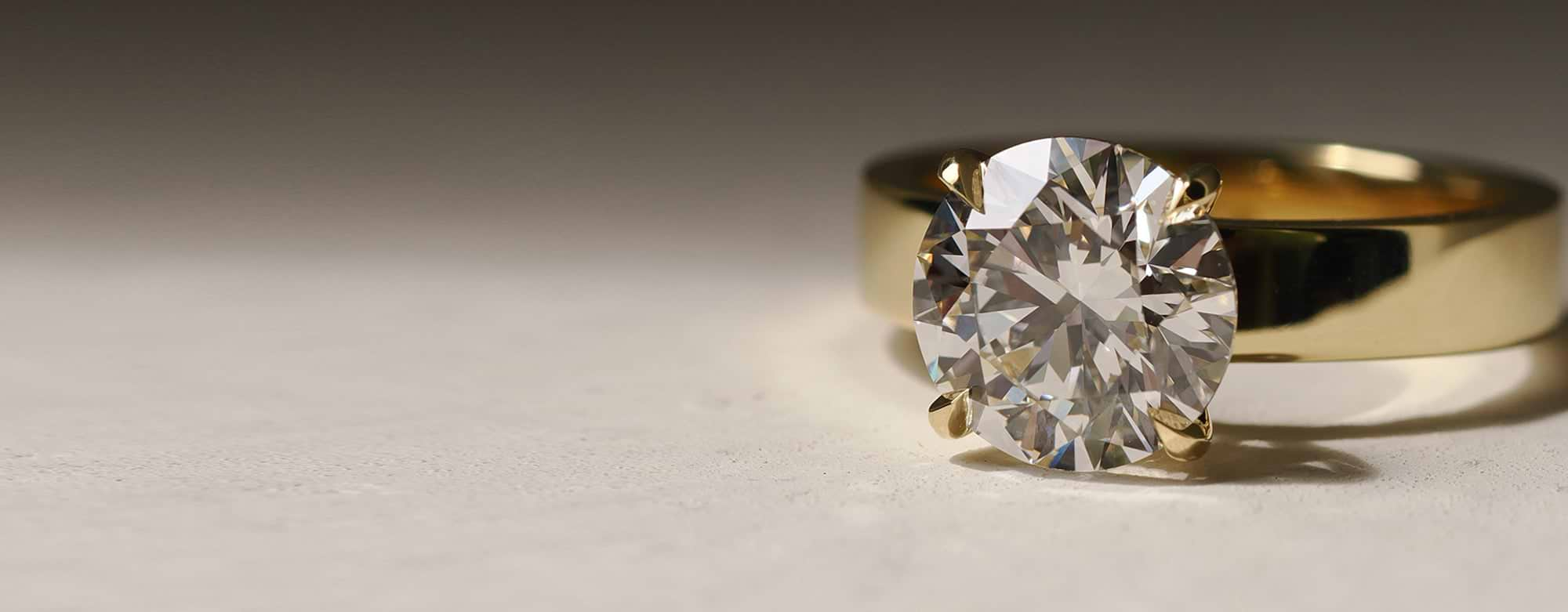
Lab Diamond Earrings: Style, Shape and Setting Choices

A pair of diamond earrings can look very different depending on the size, shape and setting of the stones. Some people prefer small studs that work with everyday outfits, while others want larger designs for weddings, dinners and special occasions. Lab-grown diamonds offer another option for buyers who want genuine diamonds with more flexibility when comparing styles and budgets.
Before choosing a pair, it helps to understand how diamond quality, metal choice and setting design affect the finished jewellery. These details can make a noticeable difference to appearance, comfort and long-term wear.
What Makes Lab-Grown Diamond Earrings Different?
Lab-grown diamonds have essentially the same chemical composition, crystal structure and optical properties as mined diamonds. The main difference is their origin. Instead of forming naturally underground over geological periods, they are produced in controlled laboratory environments using methods such as Chemical Vapour Deposition (CVD) and High Pressure High Temperature (HPHT).
Both types of diamond can display the brilliance, fire and durability associated with diamond jewellery. They can also be assessed using the familiar four Cs: cut, colour, clarity and carat weight.
For lab diamond earrings, the difference in origin can provide more choice when comparing diamond sizes and designs. However, laboratory origin does not automatically mean every stone has the same appearance or quality. Individual grading details still deserve attention.
Studs, Hoops or Drop Earrings?
The shape of the earring affects how it sits against the face, how it moves and where it feels appropriate to wear.
Classic Diamond Studs
Studs remain a practical option for people who want jewellery they can wear regularly. Each earring usually holds a single central diamond, secured with prongs or a bezel setting.
Four-prong settings allow plenty of light to reach the stone, while bezel settings surround the diamond with metal. The latter can offer additional protection around the edges, which may appeal to people who wear their earrings throughout the day.
For a balanced pair, check that both diamonds have similar dimensions, colour and overall appearance.
Hoops With Diamond Details
Diamond hoops offer more visible metalwork and movement than traditional studs. Some designs feature small diamonds along the front, while others have stones set around the entire hoop.
The difference matters when buying. Front-facing settings often create a neat appearance without adding too much weight. Fully set hoops provide sparkle from more angles but may require additional care when cleaning.
Check the clasp carefully, particularly if the earrings will be worn frequently.
Drop and Dangle Designs
Drop earrings create movement below the earlobe. They can feature a single diamond, several stones or a combination of different shapes.
Their length should suit the wearer and the occasion. Short drops can work with everyday clothing, while longer designs may complement formal outfits. Buyers should also consider weight, as heavy earrings can become uncomfortable after several hours.
Diamond Size Is Not the Only Measure of Appearance
Carat weight describes a diamond’s weight, not its exact visible size. Two diamonds with the same carat weight can look different because of their shape, proportions and cutting style.
For example, an oval diamond generally appears longer than a round diamond of comparable weight. An emerald-cut stone has broad, stepped facets that create a different visual effect from the smaller, more numerous facets of a brilliant cut.
Cut deserves particular attention in earrings. A well-proportioned diamond can return light effectively, while a poorly cut stone may appear less lively even if its carat weight is higher.
Colour and clarity should also be assessed in relation to the design. Small diamonds may show fewer visible inclusions than larger stones, so paying a premium for the highest clarity grade is not always necessary. The setting and the distance from which the earrings are normally viewed also matter.
Choosing the Right Metal for Your Earrings
The metal changes the overall appearance of diamond jewellery and can influence how easily it fits with existing pieces.
- White gold: Its bright appearance creates a clean contrast with diamonds. White gold is commonly rhodium-plated, so occasional replating may be needed to maintain its finish.
- Yellow gold: The warm colour creates a noticeable contrast with the brightness of diamonds. It also works well with traditional and contemporary designs.
- Rose gold: Its pinkish tone offers a softer appearance. Copper in the alloy gives rose gold its characteristic colour.
- Platinum: This naturally white precious metal is valued for its density and durability. It is often selected for fine jewellery settings where secure stone placement matters.
When matching earrings with a necklace or wedding jewellery, using the same metal colour can create a coordinated appearance. However, mixing white, yellow and rose gold is also a reasonable design choice.
Checking the Setting and Fastening
The setting lab grown diamonds how securely each diamond sits in its mount. It also affects cleaning, light exposure and the amount of metal visible around the stone.
Prong settings hold diamonds at several points and allow light to enter from different directions. Bezel settings use a surrounding metal rim, which can help protect the diamond’s edges.
For stud earrings, pay attention to the fastening. Butterfly backs are common and easy to use, while screw backs provide a threaded fastening that can help reduce the risk of accidental loss. Some designs also use locking mechanisms.
Before ordering online, check whether the listed price includes the backs, the metal specification and any additional stones. These details help avoid confusion when comparing similar designs.
What to Check Before Ordering Online in the UK
Online jewellery shopping makes it possible to compare different designs without visiting several shops. However, product photographs alone do not always show the full details of an earring.
Ask the retailer for the total carat weight of the pair and, where possible, the individual carat weight of each diamond. A listing stating 1 carat total weight, for example, may refer to two 0.50-carat stones rather than two 1-carat stones.
It is also useful to check:
- Whether the diamonds have independent grading documentation.
- Which laboratory issued any grading report.
- Whether the quoted carat weight applies to one stone or the complete pair.
- The gold or platinum purity, such as 18ct gold.
- The return period and conditions for customised jewellery.
- Delivery arrangements and available aftercare services.
Buyers comparing different designs can also browse lab diamond earrings to consider how diamond shape, setting and metal choice influence the finished piece.
Keeping Diamond Earrings Looking Their Best
Diamonds are hard materials, but the settings and metal components still need care. Earrings can collect natural skin oils, hair products, soap and cosmetic residue, which may reduce their sparkle.
For routine cleaning, use lukewarm water, a small amount of mild washing-up liquid and a soft brush. Rinse carefully and dry with a lint-free cloth. Avoid harsh chemicals and abrasive cleaning materials.
It is sensible to store earrings separately from other jewellery to reduce scratches and prevent chains or clasps from becoming tangled. Check prongs and fastenings periodically, particularly if the pair is worn several times a week.
A well-chosen pair should suit the wearer’s preferred style, feel comfortable and have a setting appropriate for its intended use. Paying attention to the actual diamond specifications and construction details makes it easier to find earrings that remain enjoyable to wear for years.